
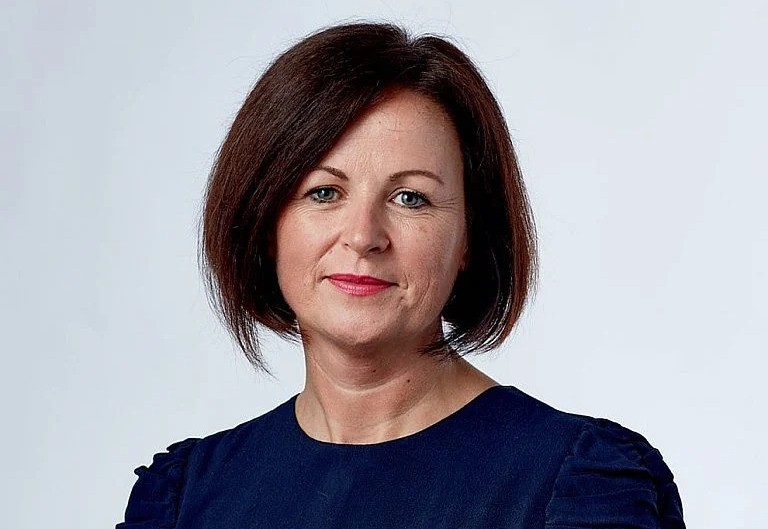
Grace Rothery started her career as a lawyer, then stepped into broader general management and leadership roles. She is currently chief of staff at ENSEK, an energy software company and in her own words, she helps teams turn ideas into real improvements for customers and colleagues. Grace says she loves talking about real‑world career paths and the skills that travel with you, and demystifying how modern careers really unfold.
What did you want to be when you grew up?
At different times: a doctor, a journalist and occasionally a teacher. The common thread was communication – asking good questions and explaining complicated things clearly. It’s still at the heart of what I do.
Who inspired you when you were younger and why? Do they still impress you?
I was inspired by people with a strong work ethic, especially my parents. My dad ran a butcher’s shop and showed up every day, whatever the weather, and my mum worked incredibly hard too, raising a family while taking on part-time and evening work that fitted around the family. Neither of them ever made a fuss; they just got on with things and did their best. That quiet consistency left a big impression on me, and it still shapes how I approach my career today.
Describe your school days
I went to St James Catholic High School in Cheadle Hulme, Stockport, and then Xaverian College in Manchester. I was one of those slightly annoying people who genuinely enjoyed school, and I made some lifelong friends along the way. I loved English and history, and you could usually find me with my nose in a book or working on some project or other.
The best moments were anything that involved reading, writing, and getting stuck into ideas. The worst bit was the usual teenage feeling that everyone else had life “all figured out.” I now know that most adults are still working it out too.
Do you have a key anecdote or piece of advice that you regularly share with young people?
“Careers are built, not chosen.” My own path wasn’t a straight line: law gave me discipline and judgment; moving into leadership developed my communication, problem‑solving, and resilience. Try things, notice what you enjoy and what you’re good at, and let the next step be informed by what you learn, not by a fixed plan you made at 16.
What do you consider to be your greatest achievement?
Professionally, pivoting from law into leadership and helping businesses be successful. Personally, I’m proud of creating opportunities for others – hiring, mentoring, and seeing people I’ve supported grow into roles they once thought were out of reach.
And your biggest failure? What did you learn from it?
Early on, I probably stayed in the wrong role for too long because it was “comfortable” I’m a big believer that you learn the most when you step outside your comfort zone. Now I ask two simple questions regularly: Am I learning? and Am I adding value? If the answer is “no” for too long, it’s time to change something.
Who is the most inspiring speaker you have heard?
For me, it’s Susan Cain, who wrote Quiet: The Power of Introverts in a World That Can’t Stop Talking. As a natural introvert, her talks and her book resonated deeply. They reminded me that you don’t need to be the loudest voice in the room to make an impact. Her message helped me understand my own strengths and use them with confidence.
Why is speaking in schools important to you?
I’m a strong believer in State Talking’s motto that “you can’t be what you can’t see”. Hearing from relatable role models, who have come from the same background and circumstances as you, can help turns abstract idea into real possibilities. If one student walks away thinking, “Maybe I could do that,” it’s worth every minute.
What makes you relatable?
I’m proud of my roots and how they have helped shaped me today. I’m a straight talker and use plain English. Most of all, I didn’t have a perfect plan; I built a path step by step.
Grace is taking bookings from Greater Manchester schools for free inspirational talks. Contact info@statetalking.org to enquire.
